-
Image
-
Publish in core platform
Yes
-
Link Type
Organization url
-
Digital technology / specialisation
RoboticsDigital skill level
Basic Intermediate AdvancedGeographic Scope - Country
MaltaType of initiative
Local initiative

Malta Digital Skills and Jobs Platform (LISP)

Introduction
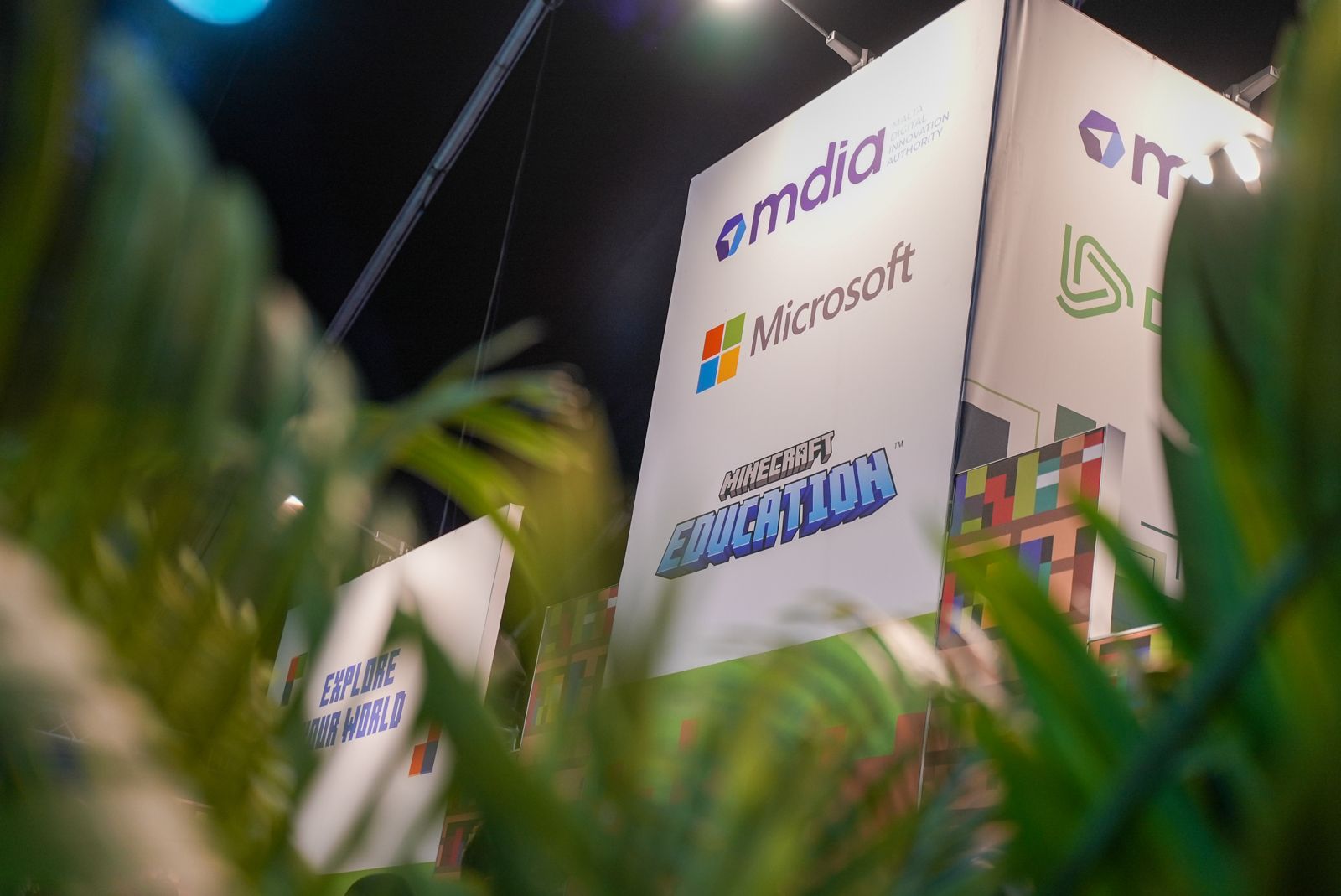
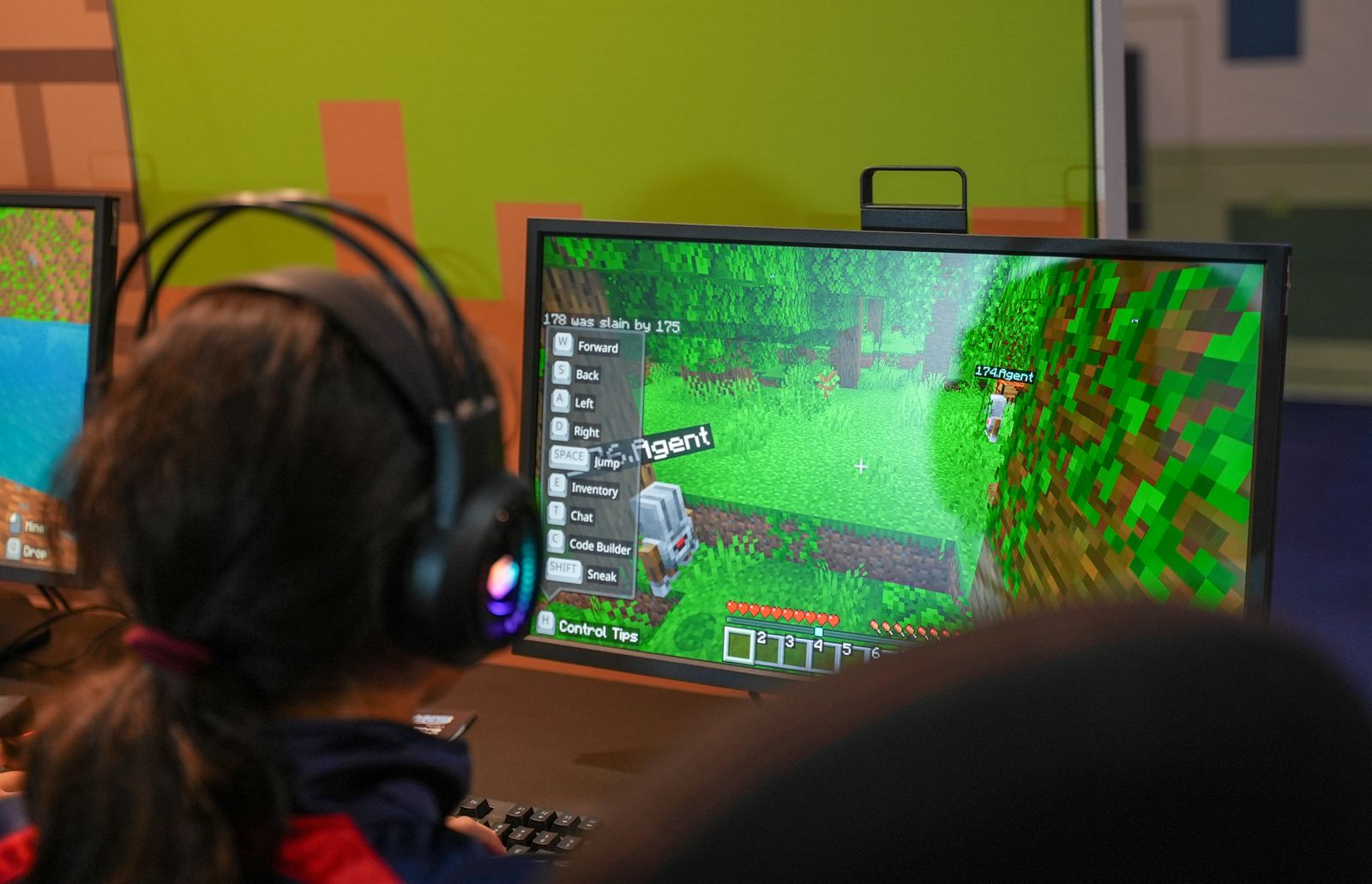
The gamification of education is a powerful means by which educators can encourage students to learn through active participation. Minecraft Education Edition was released on November 1st, 2016, as a specialised version of the popular sandbox game that was designed specifically for teaching and learning in schools. As an interactive educational program, educators have access to hundreds of pre-designed lessons covering subjects like, history, mathematics, geography, and chemistry, allowing for real-time interaction. Minecraft Education subsequently incorporated coding tools that allow learners to work with block-based code and text-based languages such as JavaScript and Python.
In 2019, the Ministry for Education & Employment announcement stated that all state educators and students could access Minecraft Education Edition using their personalised iLearn credentials, without needing to purchase an individual licence. This initiative was a push to promote digital literacy, gamified learning and coding education in Maltese schools.
Events over the years
Minecraft’s versatility for coding education and its overall recognisability has made it very popular for programming initiatives amongst students. Predating the education version, in 2015 Malta had already integrated the original version to introduce children to coding through the #HourofCode event. Moreover, in June of 2016 Malta Baby & Kids Directory, sponsored by EasyPeasyCoding, held a Minecraft competition for their ten-year anniversary competition. The competition encouraged young participants to represent Maltese landmarks, landscapes and history through Minecraft-inspired digital or physical creations.
2023
The introduction of Minecraft Education Edition has since facilitated the cohesion of education in gameplay and inspired many coding events across the island. In 2023 MCAST (IICT) hosted transnational meetings for the GOLEM project. Its main focus was centred on enhancing programming education for vocational students using game design and gamification, developing a training kit that integrates Minecraft Education Edition as a learning environment, and sharing best practices across countries. Although not a student competition, GOLEM contributed to the educational ecosystem around Minecraft through investigating how gamified environments serve significant educational purposes, and helping establish Minecraft Education Edition as an actual classroom tool, rather than just a fun activity. GOLEM formed part of the broader development of game-based approaches to programming education, although it was not itself a student competition.
2024
In March of 2024, The Malta Directorate for Digital Literacy & Transversal Skills of the Ministry of Education hosted the Schools Reinventing Malta Build Challenge. This challenge prompted State, Church and Independent school students to design sustainable urban environments and rethink how Maltese cities could be improved. The initiative used the international Schools Reinventing Cities Toolkit developed collaboratively by Minecraft Education and C40 Cities.
2025
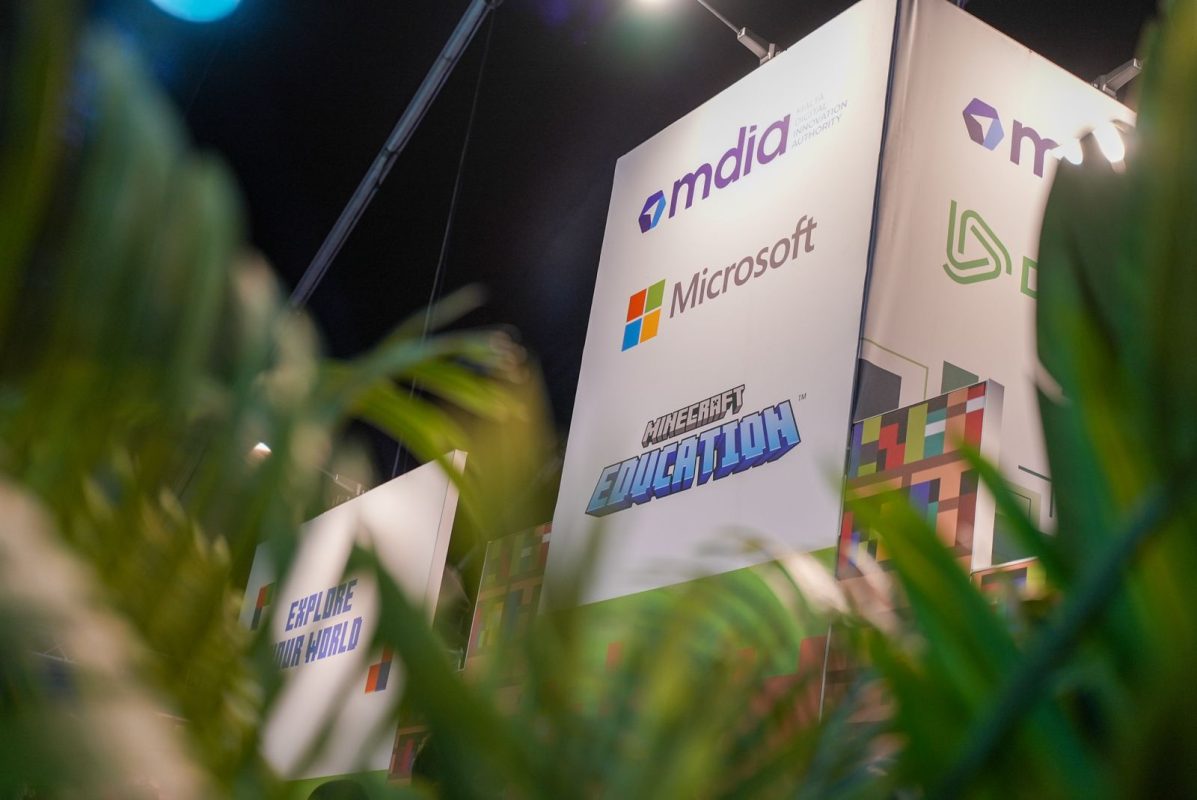
Moving to 2025, the Malta Digital Innovation Authority (MDIA) in collaboration with the Directorate for Digital Literacy & Transversal Skills hosted Minecraft Education Challenge: Malta Competition which launched during EU Code Week 2025 as a major national challenge. Students were split into 3 age categories, all with different objectives and requirements. For those between ages 7 and 11, their objective was to recreate a Maltese landmark within Minecraft with the added requirement of including at least one technical or automated feature. Ages 12 to 14 were instead tasked with modernising a Maltese town or district whilst also including at least 2 interactive systems using in-game functions and conditional logic. Finally, the 14+ upper secondary group had the theme and objective of “Digital Malta 2100” which needed three advanced interactive systems to automate or enhance the build. Judging was scheduled for 16–20 February 2026, with winners due to be announced on 3 March. Each category carried a €1,500 prize for the winning team’s school, to be used for eligible digital-literacy expenditure.
Later that year on the 28th of October MDIA & Directorate for Digital Literacy & Transversal Skills organised a Minecraft training session for educators. This event was held during EU Code Week 2025 alongside the national Minecraft Challenge with the purpose of training teachers on how to use Minecraft Education Edition in classroom settings. The session introduced educators to Minecraft Education and explored how it could be used in classroom settings.
Conclusion
What began with introductory events such as Hour of Code has developed into comprehensive programmes that engage students in sustainability, urban planning, and digital innovation. As Malta continues to prioritise digital literacy, Minecraft Education Edition stands out as a practical example of how education can adapt to modern technological realities while remaining engaging and meaningful.
Sources:
https://mdia.gov.mt/news/minecraft-education-challenge-malta-competition/
https://mcast.edu.mt/mc-events/transnational-meeting-golem-project/
https://www.maltababyandkids.com/event/malta-in-minecraft-10th-anniversary-competition
https://education.minecraft.net/en-us/blog/schools-reinventing-cities-malta
https://timesofmalta.com/article/malta-in-minecraft-competition-to-mark-10-years-of-baby-and-kids.618920
https://timesofmalta.com/article/Young-creativity-found-inspiring.629458
https://www.maltatoday.com.mt/news/national/59875/maltese_schools_participate_in_hour_of_code_initiative
This article is based on information gathered from various online sources and intended only for informational purposes. It does not constitute professional advice or recommendations. While the information provided is accurate and true to the best of our knowledge, we make no representations or warranties of any kind, express or implied, regarding the completeness, accuracy, reliability, suitability, or availability of the topics covered. We strongly advise readers to conduct further research and consult appropriate professionals or experts before making any decisions based on the information presented in this article.
We disclaim any liability for losses or damages incurred based on the information provided herein.
This document was prepared with the assistance of generative AI tools for editorial support and image generation. Any AI-generated suggestions were reviewed, edited, and validated by the authors, who remain fully responsible for the final content.