-
Image
-
Publish in core platform
No
-
URL
https://xjenzamalta.mt/wp-content/uploads/2024/09/RIS3-Strategy-2021-2027.pdf
-
Link text
Malta - Smart Specialization Strategy 2021-2027
-
Link Type
Strategy full document url
-
Target audience
Digital skills for the labour force.Digital technology / specialisation
Digital skillsDigital skill level
BasicGeographic Scope - Country
MaltaIndustry - Field of Education and Training
Target language
EnglishType of initiative
National initiative
Event setting
 Spain – Quantum Technologies Strategy 2025-2030 August 11, 2026
 Spain – Roadmap to Accelerate Digital Sovereignty 2026-2030 August 11, 2026
 Portugal – National Digital Strategy 2030 July 23, 2026
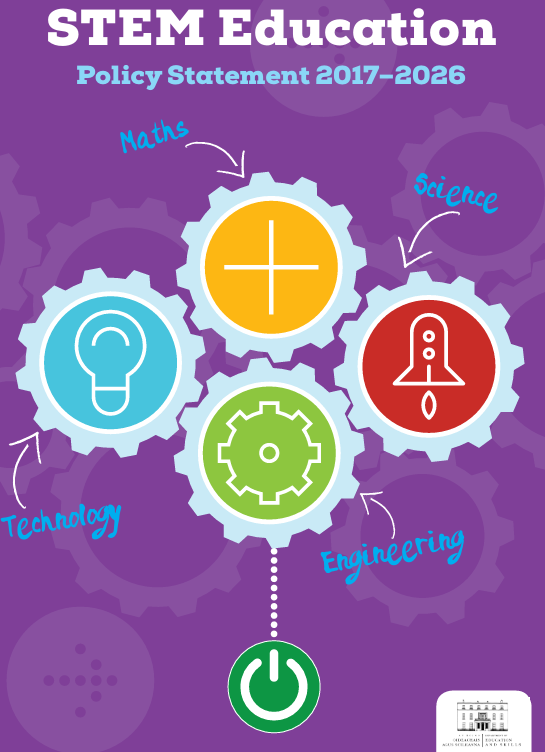 Ireland – STEM Education Policy July 20, 2026
 Germany – High-tech Agenda May 14, 2026Skip to content

Malta Digital Skills and Jobs Platform (LISP)

The Malta’s Smart Specialization Strategy 2021-2027 was adopted by the Government of Malta in 2021. The Strategy provides Government’s clear priorities for investment in innovation over the coming years and it takes a holistic approach to the implementation of the opportunities identified in the six thematic areas.
The identified smart specialisation areas for the period 2021-2027 are:
- Health and Well-being, with a focus on cancer, cellular therapy, drug development, digital tools to support healthcare, focusing on e-health and bioinformatics and biomedical engineering.
- Sustainable Use of Resources for Climate Change Mitigation and Adaptation, with a focus on net-zero carbon buildings, renewable energy generation and energy storage solutions, resource efficiency in industry and turning waste into a resource.
- Smart Manufacturing, with a focus on sustainable manufacturing and flexible automation.
- Marine & Maritime Technology, with a focus on the valorisation of marine resources and maritime technology.
- Aviation and Aerospace, with a focus on avionics, composite materials and development of new technologies for maintenance of new products.
- Future Digital Technologies, with a focus on big data and data analytics, open data, smart space applications, human-centric applications, digitizing industries and sustainable use of resources or climate change mitigation and adaptation.
Areas of focus related to the development of digital skills:
- Artificial Intelligence (AI)
- The Internet of Things (IoT)
- Cybersecurity
- Chatbots
- Distributed Ledger Technologies (DLT – Blockchain)
- High-Performance Computing (HPC)
- Digital Games
The public sector and higher education institutions need support to invest in research infrastructure for the various smart specialisation areas identified. The infrastructure must serve to foster better industry-academia interactions, knowledge transfer, build research and development capacity and address gaps in the current research and innovation ecosystem in Malta.
The monitoring system focuses on tracking the developments related to policy interventions within the specific priority areas identified in the strategy. The monitoring mechanism seeks to capture and follow the relevant expected changes that are foreseen in each priority by a select choice of input and result indicators.
